

Table of Contents
- Why Skip Buying New Winter Boots
- Boot Sleeves for Heels: Transform What You Already Own
- How to Waterproof Shoes You Already Have
- Shoes to Wear in Winter Besides Boots
- Warm Insoles for Shoes: Instant Cold-Weather Protection
- Secondhand, Rental, and Borrowing Options
- Cost and Environmental Impact of Each Alternative
- Safety Limits: When Alternatives Fall Short on Ice and Deep Snow
- Frequently Asked Questions
Last Updated: October 5, 2026
Why Skip Buying New Winter Boots
Buying new winter boots every season drains your budget and closet space. The average person spends considerably on footwear they wear for just a few months. But here's what most people miss: you likely already own shoes that can work through winter with the right modifications and additions.
This guide from Bootsy- The Boot Sleeve covers the best alternatives to buying new winter boots. Whether you're looking to stretch your existing wardrobe, save money, or travel lighter, there are proven strategies that work. The key is understanding which approach fits your climate, activity level, and lifestyle.

The real advantage isn't just financial. Transforming what you already own gives you more outfit combinations, reduces waste, and lets you test different styles without committing to expensive new purchases. Below, we'll walk through each option so you can decide which alternatives make sense for your situation.
Boot Sleeves for Heels: Transform What You Already Own
Boot sleeves instantly turn your favorite heels into winter-ready boots, making them among the best alternatives to buying new winter boots.
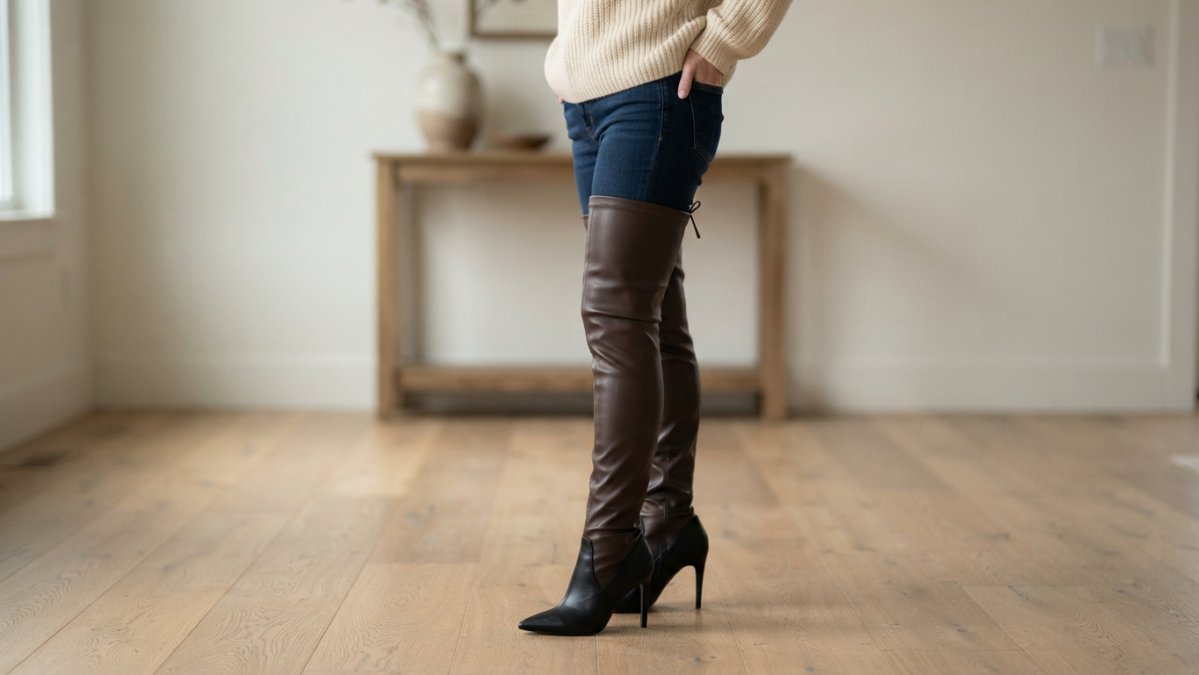
Bootsy- The Boot Sleeve offers two main styles: thigh-high and mid-calf. The thigh-high version extends from your heel all the way to the upper thigh, creating a dramatic boot look. The mid-calf style offers versatility for different outfits and occasions.
The sizing approach here is what makes this solution work for everyone. Instead of measuring by shoe size, you measure your leg circumference. This means someone with wide calves or thighs can find a comfortable fit, even if traditional boots never zip up properly.
Thigh-High Sleeves for Maximum Coverage
Thigh-high boot sleeves create a complete boot look that works with dresses, skirts, and pants. They extend from your heel to the upper thigh, so they cover more leg and work well for formal settings or when you want a bold statement.
The Croc Chocolate Thigh-High Boot Sleeve ($35.99) works with women's shoe sizes 6 through 11. The stretch faux leather moves with your legs without creating pressure points.
For travel, thigh-high sleeves pack down to almost nothing. You can fold them into a small pouch and bring multiple styles in the space one pair of boots would take. This is especially useful if you're moving between different climates or need different looks for work and evening activities.
Mid-Calf Sleeves for Versatile Styling
Mid-calf sleeves offer more flexibility for different occasions and shoe styles. They extend to around your mid-calf, which works with almost any outfit while taking up less visual space than thigh-high versions.
The Mini Chocolate Croc Mid-Calf Boot Sleeve ($29.99) fits calf measurements from 7 inches to 14 inches. You can wear it with pumps or sandals, which gives you more outfit combinations from your existing shoe collection.

The stretch material stays secure without pinching, even during extended wear.
How to Waterproof Shoes You Already Have
Waterproofing existing shoes extends their winter life without buying new boots. The goal is creating a barrier against moisture while maintaining the shoe's breathability and comfort.
Start with a quality waterproofing spray designed for your shoe material. Apply it to clean, dry shoes in a well-ventilated area. Most sprays require a few hours to dry before the shoes are water-resistant. The protection typically lasts through several wearings or until you notice water beading up less on the surface.
For leather shoes, use a leather-specific waterproofer that conditions while protecting. Suede and nubuck need different products than smooth leather. Canvas and synthetic materials work with general-purpose sprays. Check your shoe's material tag to pick the right product.
Reapply waterproofing every few weeks during winter, especially after wet conditions. The coating wears away with use and cleaning. Keeping shoes dry between uses also matters, stuff them with newspaper to absorb moisture and let them air out away from direct heat.
Shoes to Wear in Winter Besides Boots
Not every winter situation requires boots. Understanding which shoes work for specific conditions lets you use more of your existing collection.
Insulated Sneakers and Athletic Footwear
Insulated sneakers provide warmth and traction without the formality of boots. They work well for commuting, outdoor activities, and casual settings. Look for sneakers with fleece or thermal linings and rubber soles with good grip patterns.
Athletic shoes designed for cold weather often have better insulation than regular sneakers. Some brands build in heat-retaining materials in the heel and forefoot. These shoes breathe better than boots while still keeping feet warm in moderate cold.
The advantage of sneakers is comfort during extended wear. If you're walking several miles or spending hours outdoors, the cushioning and support matter more than the aesthetic. Pair them with warm socks and you'll stay comfortable in most winter conditions.
Waterproof Loafers and Slip-Ons
Waterproof loafers and slip-ons offer a professional look while handling winter conditions. They're easier to get on and off than laced shoes, which matters when you're moving between wet outdoor areas and dry indoor spaces.
Slip-on styles with rubber soles and water-resistant uppers work for office environments and casual outings. Some loafers come with insulated linings that add warmth without bulk. The trade-off is that slip-ons offer less ankle support than boots, so they work better on flat terrain than hiking or deep snow.
Warm Insoles for Shoes: Instant Cold-Weather Protection
Insoles are the simplest upgrade to any existing shoe. Adding warmth through insoles means you can wear shoes you already own without modification.
Croc | Chocolate Croc Thigh-High Boot Sleeve →
Thermal insoles use materials like wool, foam, or gel to retain heat. They fit inside any shoe and immediately add insulation. Merino wool insoles are particularly effective because they regulate temperature, they warm your feet without making them sweat. This matters for winter because moisture leads to cold feet, even with insulation.
Insoles also provide cushioning that reduces fatigue during long winter walks. Many people find that adding good insoles to regular shoes feels as comfortable as wearing specialized winter footwear. The cost is low compared to buying new boots, and you can move insoles between shoes as needed.
Replace insoles every season or when they start compressing. Over time, the insulating material breaks down and loses effectiveness. Keeping them clean and dry between uses extends their life.
Secondhand, Rental, and Borrowing Options
Buying used winter boots costs significantly less than new ones while still giving you proper footwear for the season. Secondhand options work well if you're unsure about committing to a specific style or if you only need boots for a few weeks.
Online marketplaces and local consignment shops carry winter boots at a fraction of retail price. Check the condition carefully, boots with intact soles and no major damage often have years of life left.
Rental services exist in some areas for seasonal footwear. If you travel somewhere cold for a short time, renting boots locally costs less than buying and shipping them. This option works best for occasional winter travel rather than regular use.
Borrowing from friends or family works if your shoe size matches. This is the lowest-cost option and lets you test whether a particular style works for you before investing.
Cost and Environmental Impact of Each Alternative
Boot sleeves like those from Bootsy- The Boot Sleeve cost $29.99 to $35.99 and last for years with proper care.
Waterproofing spray costs $10 to $20 per bottle and covers multiple pairs of shoes. One bottle lasts through an entire winter if you reapply regularly.
Insoles cost $15 to $40 per pair and work in any shoe. They're replaceable, so you can refresh them each season. The low cost and reusability make this one of the most sustainable options.
Secondhand boots cost $30 to $80 depending on condition and brand. Rental typically costs $20 to $50 per week. Both options reduce demand for new manufacturing, which lowers environmental impact.
New winter boots generate manufacturing waste, transportation emissions, and eventually end up in landfills. Each alternative reduces these impacts by using existing resources or extending the life of current items.
Safety Limits: When Alternatives Fall Short on Ice and Deep Snow
Boot sleeves work well for light winter conditions, but they have limits. In heavy ice or deep snow, they don't provide the ankle support or traction that purpose-built winter boots offer.
Waterproofed regular shoes handle light rain and wet conditions but fail in deep snow or prolonged wet exposure. Water eventually seeps through, and without insulation designed for extreme cold, your feet will get cold.
Insulated sneakers provide warmth but may lack the specialized traction patterns of winter boots. In icy conditions, they can slip more easily than boots with aggressive tread.
Secondhand boots that are worn or damaged may not provide reliable protection. Check the sole for wear patterns, inspect the waterproofing, and test the insulation before relying on them for serious winter conditions.
The key is matching your footwear choice to your actual climate and activity level. If you live somewhere with mild winters and mostly paved surfaces, alternatives work well.
Choosing the right winter footwear doesn't require buying new boots every season. Evaluate your climate and activity level, then pick the combination that works for your situation. Add to your cart and start creating new looks from what you already own.
Frequently Asked Questions
What are the best alternatives to buying new winter boots?
Boot sleeves, waterproofing existing shoes, warm insoles, and non-boot footwear like insulated sneakers or waterproof loafers are practical alternatives. Boot sleeves transform heels into thigh-high or mid-calf boots without new purchases. Waterproofing treatments extend the life of current shoes, while warm insoles add thermal insulation. Each option costs less than new boots and reduces waste, though none matches the traction of dedicated winter boots on ice or deep snow.
How do boot sleeves for heels actually work in winter conditions?
Boot sleeves slip over existing heels to create a continuous shaft extending to the thigh or mid-calf, mimicking a full boot. They're made from stretch faux leather that moves with your leg without bulging or pinching. For winter, pair them with heels you already own, the sleeve adds style. Most are washable and packable, making them ideal for travel. However, they don't provide the traction or insulation of dedicated winter boots, so they work best for mild cold snaps, not icy conditions.
Can I really waterproof my regular shoes for winter use?
Yes. Waterproofing sprays, waxes, and treatments create a water-resistant barrier on leather, suede, and canvas. Most are applied by spraying or brushing the product onto clean, dry shoes and letting them cure for 24 hours. Reapply after heavy snow or wet conditions. While effective at repelling water, waterproofing doesn't add insulation or traction, so your shoes stay dry but may feel cold underfoot. This works well for dress shoes or sneakers you want to extend into winter, but won't replace dedicated winter boots on icy surfaces.
What warm insoles actually help in winter?
Insoles with thermal insulation (wool, fleece, or foam) trap body heat and reduce cold transfer from frozen ground. Merino wool insoles are especially effective because wool naturally regulates temperature and wicks moisture. Look for insoles with a removable felt liner for extra warmth. They fit inside any shoe, sneakers, loafers, or heels, and cost $15-$40. Warm insoles extend the wearability of non-winter shoes into cold weather, but alone they don't replace the full protection of insulated winter boots in freezing temperatures or snow.
Are boot sleeves compatible with all types of heels?
Boot sleeves work best with dress heels and pumps in women's shoe sizes 6-11. Thin stilettos and chunky block heels can both work, though the sleeve's fit depends on your thigh or calf circumference, not shoe style. The sleeve slips over the shoe, so as long as your heel height falls within the sleeve's length (typically 23 inches from heel to opening for thigh-high styles), it will work.
0 comments