

Table of Contents
- How Thigh Sleeves Support Blood Circulation
- Compression Sleeve Fit and Sizing for Thighs
- Thigh Compression Sleeve for Swelling and Fluid Buildup
- Muscle Support, Stability, and Athletic Performance
- How to Use a Compression Sleeve Safely
- How Long to Wear a Compression Sleeve
- When to Avoid Thigh Compression and Seek Medical Advice
- Frequently Asked Questions
Last Updated: October 18, 2026
How Thigh Sleeves Support Blood Circulation
Thigh sleeves apply targeted compression that helps push blood back toward your heart, supporting thigh sleeves circulation during activity and recovery.
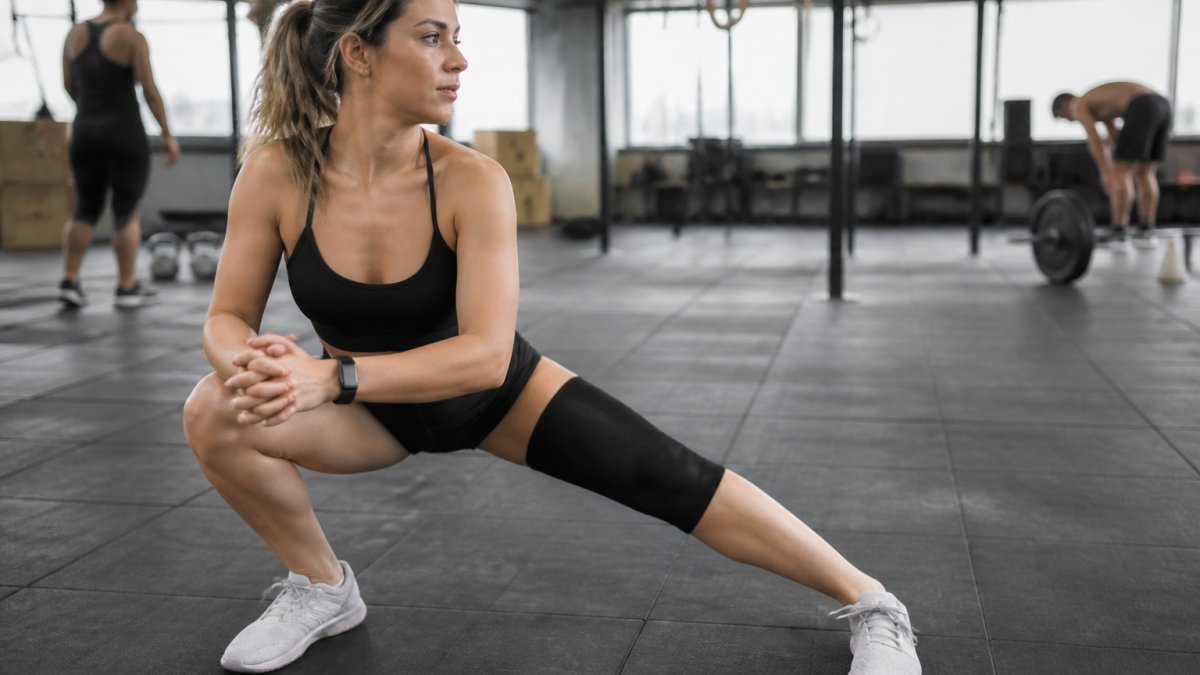
Here's how the mechanism works in practice:
- Compression creates outward pressure on leg tissues
- This pressure helps veins push blood upward against gravity
- Your heart receives blood more efficiently
- Oxygen-rich blood reaches muscles faster
Unlike rest, thigh sleeves circulation is actively supported through compression, which moves fluid in the thighs where gravity works against you.
Compression Sleeve Fit and Sizing for Thighs
Fit separates a sleeve that supports circulation from one that just feels tight. Too loose and it slides, delivering uneven pressure; too tight and it can compress superficial veins and impair return flow.
Measure the right spots, in the right order
Thigh sleeves are sized by circumference, not by clothing size. Take three measurements with a soft tape:
- Mid-thigh: around the fullest part, typically 4-6 inches above the top of the kneecap.
- Lower thigh: about 2 inches above the knee, which determines whether the bottom edge will roll.
- Upper thigh: at the gluteal fold, which determines whether the top edge will stay put.
Measure in the morning before activity, when swelling is lowest, keeping the tape snug without indenting skin. Re-measure every few months, thigh circumference changes with training load and body weight.
Match your measurement to a size chart, not a guess
Most quality sleeves publish a circumference range per size, often XS through 5X, with the largest accommodating thighs up to roughly 60 inches. Between sizes, size down for athletic use and up for all-day wear or sensitive skin. Never buy a sleeve listing only S/M/L with no inch ranges, that is a fashion garment, not a compression garment.
Understand pressure, not just tightness
Compression is measured in millimeters of mercury (mmHg) (the American Dental Association). Athletic thigh sleeves typically sit in a mild range, often 15-20 mmHg at the bottom edge, tapering upward, while medical stockings are prescribed in classes (15-20, 20-30, or 30-40 mmHg) and extend ankle to thigh. A sports sleeve is not a substitute for a prescribed stocking: it covers less of the leg and is not designed to treat venous disease.
Fix rolling and bunching before you blame the sleeve
A sleeve rolling down at the top is usually too large at the upper thigh, not too small overall. Try these in order:
- Re-measure the upper thigh; you may need a size with a narrower top range.
- Apply the sleeve to clean, dry skin, moisturizer and sweat both reduce grip.
- Smooth all wrinkles from the bottom up; a wrinkle becomes a pressure point.
- Look for a silicone grip band at the top edge, which most athletic sleeves include.
Check the fit in the first ten minutes
You should slide one finger under the top edge without force, with no deep indentations, blanching lasting over a minute after removal, or numbness and tingling. If any appear, remove the sleeve. A correct fit feels firm and supportive, not painful, and stays put through a full workout.
Thigh Compression Sleeve for Swelling and Fluid Buildup
Thigh swelling is fluid accumulating faster than the lymphatic and venous systems can clear it. Compression raises external tissue pressure, narrowing space for fluid and giving veins and lymphatics a mechanical assist. That is real, but it is a management tool, not a cure, and the cause determines whether a sleeve is appropriate.
What compression can and cannot do for swelling
The strongest evidence for compression is in medically supervised settings: post-surgical edema, chronic venous insufficiency, and clinician-managed lymphedema. For everyday puffiness after a flight, workout, or day on your feet, evidence is softer and largely based on short-term symptom relief. Most people notice the leg looks less puffy within 30-60 minutes, but that is comfort and appearance, not proof of improved circulation.
A thigh sleeve can:
- Reduce the sensation of heaviness and fullness during and after activity.
- Limit fluid pooling during long periods of sitting or standing.
- Support the calf and thigh muscles that act as the "muscle pump" for venous return.
A thigh sleeve cannot:
- Replace a prescribed medical compression stocking for venous disease.
- Treat a blood clot, an infection, or heart, kidney, or liver-related edema.
- Permanently change lymphatic function.
Everyday swelling versus swelling that needs a clinician
Use this rough split to decide whether self-care with a sleeve is reasonable:
- Likely safe for a sleeve: swelling in both legs that appears after a long flight or drive, after a hard leg workout, after standing all day, or in the evening and resolves overnight with elevation.
- Ask a clinician first: swelling in one leg only, swelling that persists for more than a few days, swelling with skin changes (redness, darkening, thickening), swelling with pain or warmth, or swelling in someone with a history of clots, heart failure, kidney disease, or lymphedema.
If you have been prescribed a medical compression stocking, wear that instead of a sports sleeve. A thigh sleeve covers only part of the leg and is not designed to deliver the graduated ankle-to-thigh pressure a clinician prescribes.
Practical use for ordinary puffiness
For post-travel or post-workout swelling, put the sleeve on before swelling peaks, during the flight, or within an hour of exercise. Wear it 2-4 hours, then elevate the leg 15-20 minutes. Pair it with walking, which activates muscle pumps more effectively than compression alone. If dehydrated, drink water; compression does not fix fluid balance.
Muscle Support, Stability, and Athletic Performance
Your thigh muscles generate enormous power during running, jumping, and lifting, and vibrate slightly with each hard contraction.
A compression sleeve stabilizes muscle tissue, reducing vibration and fatigue accumulation. You may not notice during exercise, but you'll feel less soreness the next day.
Athletes use thigh compression for several performance-related reasons:
BEST | Black Thigh-High Boot Sleeve | XS–5X Thigh & Calf Fit →
- Reduced muscle oscillation during high-impact activities
- Improved proprioception (your body's sense of position)
- Better muscle activation patterns
- Faster muscle fiber recruitment
Stability matters most during rapid direction changes or impact; runners, basketball players, and volleyball athletes report feeling more controlled in compression.
How to Use a Compression Sleeve Safely
To put on a compression sleeve, roll it down to the ankle, step in like tights, and pull it up gradually, smoothing wrinkles as you go.
The sleeve should sit evenly without bunching or rolling.
Safe wear practices include:
- Check your skin every 30-60 minutes during your first wear
- Look for red marks, numbness, or tingling
- Remove the sleeve immediately if you feel sharp pain
- Start with shorter wearing periods and gradually increase
Your skin needs breaks: all-day wear can cause breakdown or irritation, especially in warm weather.
If you have sensitive skin, consider wearing a thin layer underneath the sleeve. A moisture-wicking athletic layer reduces friction and allows sweat to evaporate more effectively.
How Long to Wear a Compression Sleeve
It depends on your activity and goals. Wear it for the entire workout, then 2-4 hours post-workout for recovery before removing it to let skin recover.
Never sleep in a compression sleeve unless specifically directed by a healthcare provider.
How to use a compression sleeve effectively means matching wear time to your needs:
- Acute swelling: 2-4 hours, multiple times daily
- Athletic performance: During workout only
- Recovery support: 2-4 hours post-workout
- Travel: 2-4 hours during or after long flights
- Daily management: 4-6 hours maximum per day
If numbness, tingling, or increased swelling develops, remove the sleeve, the pressure is too high or you've worn it too long.
When to Avoid Thigh Compression and Seek Medical Advice
Compression isn't appropriate for everyone; with certain conditions it can make things worse.
Avoid compression if you have:
- Severe peripheral artery disease (PAD)
- Acute deep vein thrombosis (DVT)
- Skin infections or open wounds on your thigh
- Recent surgery on your leg or thigh
- Severe diabetes with skin complications
Seek medical advice before using compression if you experience:
- Unexplained thigh swelling that doesn't improve with elevation
- Pain that worsens instead of improves with compression
- Numbness or tingling that persists after removing the sleeve
- Skin color changes (redness, darkening, or unusual pallor)
- History of blood clots or circulation problems
A healthcare provider can evaluate whether compression is safe for your situation, some conditions require it, others benefit from different treatments.
If you're unsure whether compression is appropriate for you, start conservatively. Wear the sleeve for just 20-30 minutes and monitor how your leg responds. If you feel better and notice no negative symptoms, gradually increase wear time.
At Bootsy- The Boot Sleeve, we understand that finding gear that fits your body matters. Our BEST and CROC thigh-high boot sleeves ($35.99 each) transform your existing heels into stylish boots while offering the comfort and fit that standard retail sizing often misses.

Frequently Asked Questions
Do thigh compression sleeves actually improve circulation?
Thigh compression sleeves apply graduated compression that supports venous return, the process by which blood flows back to your heart from your legs. This targeted compression helps prevent blood from pooling in the thigh and promotes more efficient blood flow. While compression therapy is well-established in medical and athletic contexts, individual results depend on proper fit, pressure level, and consistent wear. If you have concerns about your circulation, consult a healthcare provider to determine if compression sleeves are appropriate for your specific condition.
How long should you wear a thigh compression sleeve?
Most people can safely wear compression sleeves during exercise and for a few hours afterward to support recovery. Wearing them for 4-6 hours post-workout is common for athletes. For all-day wear, check the pressure rating on your sleeve; graduated compression designed for daily use can typically be worn throughout the day. Remove your sleeve before bed unless specifically designed for sleep wear, and inspect your skin regularly for irritation. If you experience numbness, tingling, or skin problems, reduce wear duration and consult a healthcare provider.
Can a thigh compression sleeve help reduce swelling?
Yes, thigh compression sleeves can help reduce swelling by supporting lymphatic flow and preventing fluid buildup in the thigh tissue. The graduated compression encourages fluid movement back toward the heart, which is especially helpful after intense exercise or injury. For swelling related to soft-tissue injuries, compression combined with rest and elevation can be effective. However, if swelling is sudden, severe, or accompanied by pain, warmth, or redness, seek medical evaluation to rule out serious conditions like deep vein thrombosis or infection.
How do I know what compression sleeve fit and sizing is right for my thigh?
Thigh compression sleeves are typically sized by thigh circumference rather than shoe size. Measure your thigh at its widest point using a soft measuring tape, then match that measurement to the sleeve's size chart. Bootsy's BEST and CROC thigh-high boot sleeves, for example, accommodate thigh measurements from XS to 5X sizes, with some styles fitting up to 60 inches. A properly fitted sleeve should feel snug but not painful, and you should be able to slide one finger under the top edge. If the sleeve gaps, bunches, or cuts off circulation, it's not the right size.
0 comments