

Table of Contents
- Quick Comparison: Best Wide Calf Boots for Walking All Day
- How to Measure Your Calf Circumference for Wide Calf Boots
- Key Features for All-Day Walking Comfort
- How to Stretch Boots for Wide Calves
- Stylish Boot Sleeves for Wide Calves: A Comfort-First Alternative
- Best Insoles for Walking Boots
- Conclusion
- Frequently Asked Questions
Last Updated: October 2, 2026
Quick Comparison: Best Wide Calf Boots for Walking All Day
Finding comfortable wide calf boots for walking all day starts with one measurement, not one brand.
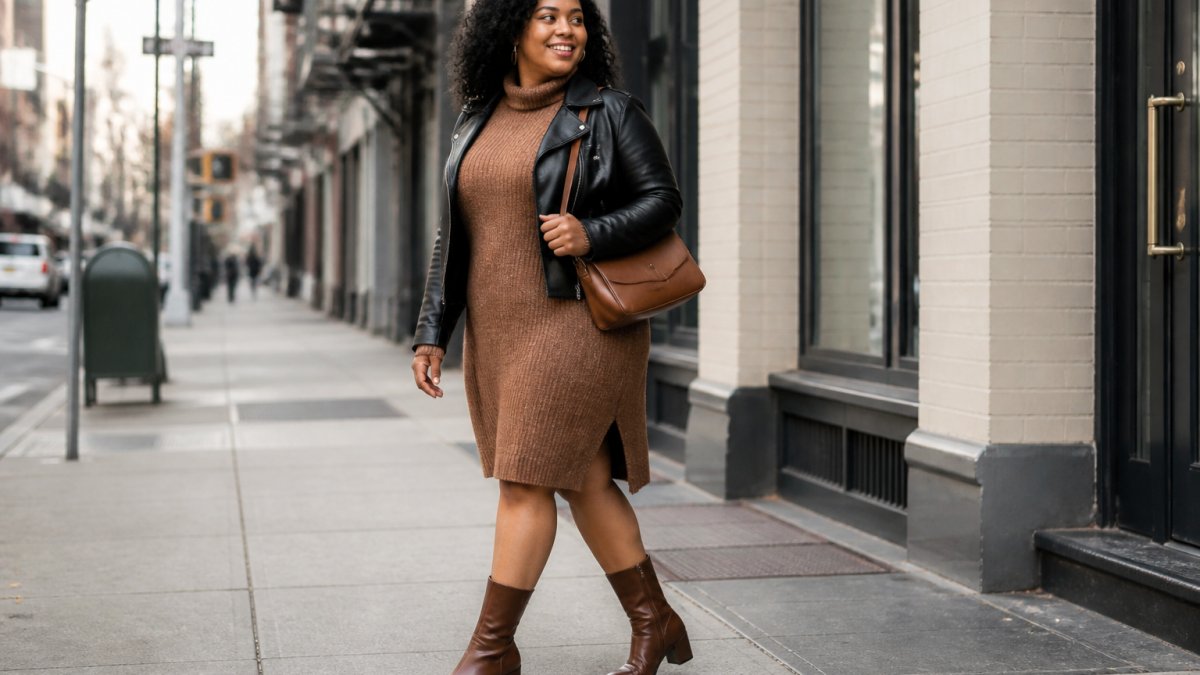
This guide from Bootsy covers the full picture, from measuring your calf correctly to the features that keep your feet comfortable past the eight-hour mark.
Here's the short version before the detail:
| Option | Fit Basis | Price | Best For |
|---|---|---|---|
| Croc Chocolate Thigh-High Boot Sleeve | Thigh circumference, 14"-60" | $35.99 | Turning heels into thigh-high boots |
| Mini Chocolate Croc Mid-Calf Boot Sleeve | Calf circumference, 7"-14" | $29.99 | Mid-calf looks over existing heels |
| Best Black Thigh-High Boot Sleeve | Thigh circumference, 14"-60" | $35.99 | A classic black thigh-high silhouette |
Each option works with women's shoe sizes 6 through 11, and each is sized by leg measurement rather than shoe size.

How to Measure Your Calf Circumference for Wide Calf Boots
Calf measurement is the number that decides whether a boot zips, pinches, or fits. Measure the widest part of your calf, usually a few inches below the knee, while standing. Keep the tape snug but not tight, and measure both legs, since most people differ slightly side to side.
That's the headline instruction. The detail is where most shoppers go wrong.
Measure Three Points, Not One
A boot shaft has to clear your calf at its widest point, but it also has to sit right at the ankle and at the top edge. Measure all three:
- Ankle circumference, the narrowest point just above the ankle bone.
- Calf circumference, the widest point, typically 3 to 5 inches below the knee.
- Shaft-top circumference, where the boot's top edge will land on your leg. For a mid-calf boot that's below the knee; for a knee-high boot it's at or just under the knee.
Write all three numbers down. A boot that matches your calf but is too wide at the ankle will slide. A boot that fits the ankle but is tight at the calf won't zip.

Standing vs. Seated Measurement
Measure standing. Your calf muscle engages and expands when you bear weight, and a boot measured while seated can feel tight the moment you stand up. If you have to choose one number, use the standing measurement.
Calf Shape Matters as Much as Calf Size
Two people with the same 16-inch calf circumference can need different boots depending on where the bulk sits:
- High calf (widest point close to the knee): a knee-high boot will fight you at the top. Mid-calf styles and boots with a stretch panel near the top edge fit better.
- Low calf (widest point lower, closer to mid-calf): knee-high boots often fit well because the shaft clears the widest point before it narrows. Mid-calf boots may cut across the widest part and pinch.
- Athletic or muscular calves: look for boots with elastic gussets, adjustable buckles, or a full-length back zipper, which give more give than a rigid shaft.
This is the part most size charts ignore. A circumference range tells you whether the boot will close. It doesn't tell you whether the boot will sit comfortably on your specific leg shape.
No Tape Measure? Use What You Have
If you don't have a tape measure, wrap a standard 11-inch sheet of printer paper around your calf and note where the edges overlap. Two sheets end-to-end gives you a 22-inch reference. A piece of string or a phone charging cable works the same way, mark the overlap, then lay it flat against a ruler. Compare that to the size chart.
What to Do When You're Between Sizes
When you land between two sizes, size up for boots and sleeves that need to pull on smoothly. A boot that's slightly too wide can be tightened with a thicker sock, an insole, or a cobbler adjustment. A boot that's too narrow usually can't be fixed without stretching, and stretching only works reliably on genuine leather.
Key Features for All-Day Walking Comfort
Comfort over a full day comes down to four things: what's under your foot, how stable the heel is, whether the shaft moves with your leg, and how the upper material handles moisture and heat. Get those right and most boots become walkable. Get them wrong and no amount of styling rescues an eight-hour day.
Cushioned Footbed and Arch Support
A cushioned footbed absorbs impact with every step, and arch support keeps your foot aligned inside the boot. Look for a footbed you can remove, because that opens the door to swapping in an orthotic. A breathable lining matters too, since moisture builds up fast during long wear.
- A contoured arch that matches your foot's natural curve, not a flat slab. A flat footbed forces the arch to collapse with each step, which is a common trigger for plantar fasciitis flare-ups.
- A heel cup that cradles the heel rather than letting it slide. Heel slip causes friction blisters and forces your toes to grip, which fatigues the whole foot.
- A forefoot that flexes at the ball of the foot, not at the midfoot. Boots that bend in the middle fight your natural gait and cause arch strain.
Heel Height and Stability for Walking
A block heel beats a stiletto for walking, full stop. Lower heels under two inches put less strain on your calves and ankles, and a wider heel base improves balance on uneven pavement. Check for heel stability by pressing the boot down on a hard floor and watching for wobble.
Shaft Fit and Ankle Support
A wide calf boot that fits at the calf but gapes at the ankle will rub, slide, and blister. Look for a shaft that hugs the ankle without pinching, then widens gradually toward the calf. Lace-up, buckle, and elastic-panel designs let you tune the fit at both points instead of accepting one fixed circumference.
Croc | Chocolate Croc Thigh-High Boot Sleeve →
Material and Breathability
Synthetic uppers, including the stretch faux leather used in boot sleeves, are lightweight, water-resistant, and easy to clean, but fit has to be right from day one.
American Podiatric Medical Association seal of acceptance program
How to Stretch Boots for Wide Calves
Stretching works best on materials with some give. Synthetic materials respond less predictably, so test carefully before committing.
Stylish Boot Sleeves for Wide Calves: A Comfort-First Alternative
Boot sleeves skip the sizing problem entirely. Instead of hunting for a boot that fits your calf, a sleeve slips over heels you already own and creates the shaft yourself.
Bootsy Boot Sleeves: Sized by Thigh and Calf, Not Shoe Size
Bootsy makes a patent-pending boot sleeve that turns your favorite heels, and some flats, into boots in seconds.
The Mini Chocolate Croc Mid-Calf Boot Sleeve ($29.99) creates a mid-calf look and fits calf circumferences from 7 to 14 inches.
The honest limitation: a sleeve is an accessory, not a standalone boot. It needs a heel underneath to work.
Best Insoles for Walking Boots
The right insole can rescue a boot that's almost comfortable. Look for three qualities: shock absorption, arch support, and a moisture-wicking top layer.
- Cushioned gel insoles absorb impact well and suit hard pavement.
- Orthotic-friendly insoles add arch support and work in boots with removable footbeds.
- Moisture-wicking insoles keep feet drier during long wear.
Check that the insole doesn't push your heel too high in the boot, which can cause slipping. Trim to fit if needed, and give any new insole a short trial walk before a full day out.
Conclusion
The gap between "boots that fit" and "boots that fit my calves" is a measurement problem, and it has a practical answer. Measure your calf, choose footwear built around that number, and add cushioning where it counts.
Frequently Asked Questions
What are the most comfortable wide calf boots for walking all day?
The most comfortable wide calf boots for walking all day combine a cushioned footbed, arch support, and a flexible outsole with a shaft that fits your actual calf measurement. Look for stretch panels or zipper closures to reduce pressure points. If traditional wide calf boots still pinch, boot sleeves sized by calf and thigh circumference offer a customizable alternative that works with heels you already own.
How do I measure my calf for wide calf boots?
Wrap a soft measuring tape around the widest part of your calf, usually about 2 to 3 inches below the knee. Keep the tape snug but not tight. If you do not have a tape measure, wrap a standard 11-inch sheet of printer paper around your calf and compare the overlap to a size chart. Always measure both calves and use the larger number when choosing a size.
Are there stylish alternatives to traditional wide calf boots?
Yes. Boot sleeves are a practical alternative that transform heels or some flats into mid-calf or thigh-high boots. They are sized by calf and thigh circumference rather than shoe size, so they fit a range of body types without the gaping or pinching common in standard boots. Bootsy sleeves, for example, accommodate thigh measurements from 14 to 60 inches and work with women's shoe sizes 6 through 11.
How can I make my existing boots more comfortable for wide calves?
Try a few targeted fixes: swap in a cushioned insole with arch support and add a heel grip if your foot slides. If the shaft is still too narrow, a boot sleeve worn over a heel you already own can give you the look of a wide calf boot without the fit problems.
Do wide calf boots come in extra-wide widths?
Some brands offer extra-wide calf options, but sizing varies widely. The most reliable approach is to shop by calf circumference in inches rather than by labels like wide or extra-wide. Boot sleeves take this further by sizing to thigh and calf measurements from 14 to 60 inches, covering a broader range than most standard extra-wide boot lines.
Most wide calf boots force you to compromise between fit and style. Bootsy removes that trade-off by sizing to your leg, not your shoe. The patent-pending sleeve fits thigh and calf measurements from 14 to 60 inches across XS to 5X, works with women's shoe sizes 6 through 11, and turns heels you already own into boots you'll actually wear. Get started with Bootsy and build the boot collection your closet was missing.
0 comments