

Table of Contents
- Wide Calf Riding Boots vs Regular: Key Differences
- How to Measure Calf for Boots Accurately
- Comfortable Boots for Wide Calves: What Matters Most
- Boot Sleeve for Wide Calves: A Modern Alternative
- Shoe Width vs Calf Width: Why Both Matter
- Styling Wide Calf Boots: Outfit Ideas for 2026
- Frequently Asked Questions
Last Updated: September 27, 2026
Wide Calf Riding Boots vs Regular: Key Differences
Finding boots that fit well is harder than it should be. If you have wide calves or thighs, standard riding boots often won't zip, gap at the ankle, or dig into your leg. The difference between wide calf riding boots and regular boots comes down to one thing: shaft circumference. Regular boots are designed for an average calf width of 12-14 inches. Wide calf riding boots accommodate measurements of 16-18 inches or larger. But here's what most guides get wrong, it's not just about the calf. The boot opening, materials, and how the shaft is constructed all affect whether a boot actually fits your body.
Finding boots that work can be a struggle for many. The most common frustration? Buying boots online, getting them home, and realizing they won't zip past the widest part of your calf. That's where understanding the real differences between wide calf riding boots and regular options becomes essential.
The key distinction isn't just size, it's design philosophy. Regular boots assume a tapered leg shape. Wide calf riding boots are engineered with a straighter shaft that accommodates fuller leg proportions without excess fabric bunching at the ankle. Materials matter too. Stretch faux leather and vinyl offer flexibility that rigid leather doesn't, which is why wide calf riding boots often use these materials to provide comfort without sacrificing the polished look.
How to Measure Calf for Boots Accurately
The ideal way to measure your calf for boots is simple, but most people skip this step and regret it later. Wrap a soft measuring tape around the widest point of your calf while standing. Keep the tape snug but not tight, you should be able to slide one finger underneath. Write down this number. That's your calf circumference, and it's the single most important measurement for finding boots that actually fit.
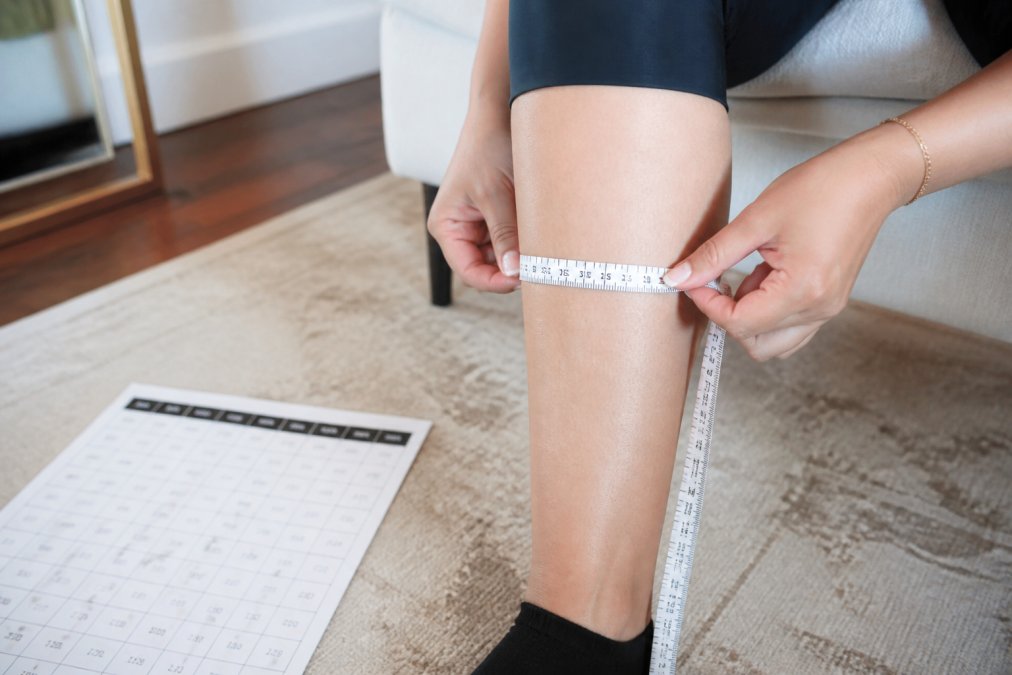
If you don't have a measuring tape, use a standard sheet of printer paper. An 8.5" x 11" sheet is 11 inches wide. Wrap it around your calf and mark where it overlaps. That overlap tells you how many inches beyond 11 you are. Add those together to get your circumference.
Do this measurement while wearing the type of socks or hosiery you'll actually wear with boots. Thick wool socks add nearly half an inch. Thin dress socks add almost nothing. The difference matters when you're trying to decide between sizes.
Measure both legs if you're concerned about asymmetry. Many people have one calf slightly larger than the other. If your measurements differ, go with the larger one. A boot that's loose on one leg is better than one that's too tight on the other.
Comfortable Boots for Wide Calves: What Matters Most
Comfort in wide calf riding boots depends on three factors: shaft height, materials, and how the boot opening is designed. Get these right, and you'll wear the boots all day without discomfort. Get them wrong, and even boots that technically fit will feel restrictive.
Shaft Height and Boot Opening
Shaft height is how tall the boot extends up your leg, measured from the heel to the top opening. Most riding boots have a shaft height of 15-17 inches. For wide calves, shaft height becomes critical because a taller boot needs a proportionally wider opening at the top to fit comfortably over your leg.
Regular boots often have a tapered design where the shaft gets narrower as it goes up. This looks elegant on people with slim calves but creates a bottleneck effect for anyone with wider legs. The boot fits fine at the ankle but won't pull up past the widest part of your calf.
Wide calf riding boots maintain a consistent width from ankle to knee. This straight-shaft design is the reason they actually fit. The opening at the top stays wide enough that you can pull the boot on without struggling. Look for boots that explicitly state their shaft opening measurement, typically 15-16 inches for wide calf options compared to 13-14 inches for regular boots.
Materials and Stretch Technology
The material of your boot determines how much flex it has. Rigid leather offers durability and a polished appearance, but it doesn't stretch. If a leather boot doesn't fit when you first try it on, it won't fit after break-in either. Stretch faux leather and vinyl, by contrast, give you an extra half-inch to an inch of flexibility.
This matters for wide calves because that extra stretch means a boot can accommodate natural leg shape variation. You're not forcing your leg into a predetermined mold. The boot moves with you.
Bootsy- The Boot Sleeve offers thigh-high and mid-calf options in premium stretch faux leather and vinyl. The Vamp Thigh High in Deep Cherry ($35.99) uses quality vinyl PU that stretches to fit thigh circumferences from 14 to 47 inches. The Best Thigh High in Black ($35.99) comes in stretch faux leather and accommodates measurements up to 60 inches, making it genuinely inclusive for all body types.
Mini-The Boot Sleeve in Mid-Calf, High →


The In-Between Fit Problem
Here's the frustration nobody talks about: what if your calf measurement falls between standard and wide calf sizing? You're too large for regular boots but maybe not quite at the top of the wide calf range. This "in-between" zone is where most people get stuck.
Some people in the in-between zone find that boot sleeves solve the problem entirely. Rather than buying new boots, you can transform heels you already own into stylish thigh-high or mid-calf boots using a boot sleeve designed for your exact measurements.
Boot Sleeve for Wide Calves: A Modern Alternative
A boot sleeve is a fabric tube that slips over your existing shoe to create the appearance and feel of a full boot. For people with wide calves, this innovation changes everything. You're no longer limited to whatever boots happen to exist in your size. You can wear any heel in your collection as a boot.
Mid-Calf vs Thigh-High Options
Mid-calf sleeves extend from your ankle to just below the knee. They work well if you want the boot look for professional settings or casual outings but don't need full leg coverage. The Mini Boot Sleeve in Chocolate Crocodile Print ($29.99) is a mid-calf option that fits calf circumferences from 7 to 14 inches. It's designed specifically to work with women's shoes sizes 6 through 11 and uses stretch faux leather for a polished appearance.
Sizing by Leg Circumference, Not Shoe Size
This is the breakthrough that makes boot sleeves work for wide calves. You don't order by your shoe size. You order by your thigh or calf circumference. This means the sleeve actually fits your body, not an arbitrary shoe-size category.
Shoe Width vs Calf Width: Why Both Matter
Most people focus only on shoe width when buying boots. They check whether a boot comes in a wide or extra-wide option and assume that solves the problem. But shoe width and calf width are independent measurements. A boot can fit perfectly at the foot while still being too tight at the calf.
Styling Wide Calf Boots: Outfit Ideas for 2026
Wide calf riding boots have moved beyond the equestrian context. They're a legitimate fashion statement in 2026, and styling them well makes a real difference in how an outfit reads.
| Feature | Mid-Calf Sleeve | Thigh-High Sleeve | Traditional Wide Calf Boot |
|---|---|---|---|
| Calf Fit | 7-14 inches | 14-60 inches | 16-18 inches typical |
| Cost | $29.99 | $35.99 | $150-300+ |
| Versatility | Works with most heels | Works with most heels | Limited to boot style |
| Break-in Period | None | None | 1-2 weeks typical |
| Material Options | Faux leather, vinyl | Faux leather, vinyl | Rigid or stretch leather |
| Best For | Professional settings, casual wear | Fashion-forward looks, travel | Traditional equestrian style |
WCAG guidelines on accessibility and inclusive sizing
Fashion industry standards for extended sizing
Footwear ergonomics and leg comfort research
Frequently Asked Questions
What is the difference between wide calf boots and regular calf boots?
Wide calf boots have a larger circumference at the shaft and boot opening, typically accommodating calf measurements from 15 to 17 inches or more. Regular calf boots are designed for standard leg shapes, usually fitting 12 to 14 inches around. The difference affects not just comfort but also the boot's silhouette, wide calf boots maintain a sleek line without bulging, while regular boots may pinch or create visible pressure marks on larger legs.
How do I know if I need wide calf riding boots?
Measure your calf circumference at its widest point using a soft measuring tape. Wrap it snugly around your leg where the boot shaft will sit. If your measurement exceeds 14 inches, standard riding boots will likely feel tight or fail to zip. Women with muscular legs, athletic builds, or larger frames often need wide calf options. Try on regular boots first, if the zipper won't close or the shaft leaves marks, you need a wider fit.
Can I stretch regular riding boots to fit a wider calf?
Stretching has limits. Leather boots can be professionally stretched 0.5 to 1 inch in circumference. For significant width differences, stretching rarely solves the problem. Boot sleeves like those from Bootsy ($29.99-$35.99) offer a better solution, they transform any heel into a custom-fit boot without altering the original shoe.
What makes boot sleeves different from buying traditional wide calf boots?
Boot sleeves size by leg circumference (14 to 60 inches) rather than shoe size. They're washable, packable for travel, and work with multiple heels in your existing collection. Bootsy sleeves use stretch faux leather or vinyl materials that move with your curves without pinching. You transform shoes you already own instead of buying new footwear, making them cost-effective for building a versatile wardrobe.
0 comments