

Table of Contents
- Do Boot Sleeves Stay Up? What You Need to Know
- Stretchy Boot Sleeves for Thick Thighs: Sizing Matters
- How to Keep Thigh High Boot Sleeves Up: Proven Methods
- Boot Sleeve Fitting Guide: Getting the Right Measurement
- Materials That Make a Difference: Fabric and Friction
- Troubleshooting Heel Slippage and Riding Up
- Long-Term Durability: What to Expect Over Time
- Conclusion
Last Updated: August 22, 2026
Do Boot Sleeves Stay Up? What You Need to Know
Yes, boot sleeves stay up when sized correctly and secured properly. Their success depends on accurate measurement, material quality, and anchoring techniques. The difference between a sleeve that stays put and one that constantly slips comes down to three factors: sizing accuracy, material quality, and securing method.

Stretchy Boot Sleeves for Thick Thighs: Sizing Matters
The most common reason boot sleeves slip is incorrect sizing. Unlike traditional boots based on shoe size, boot sleeves are sized by your actual thigh and calf circumference, what actually matters for fit.
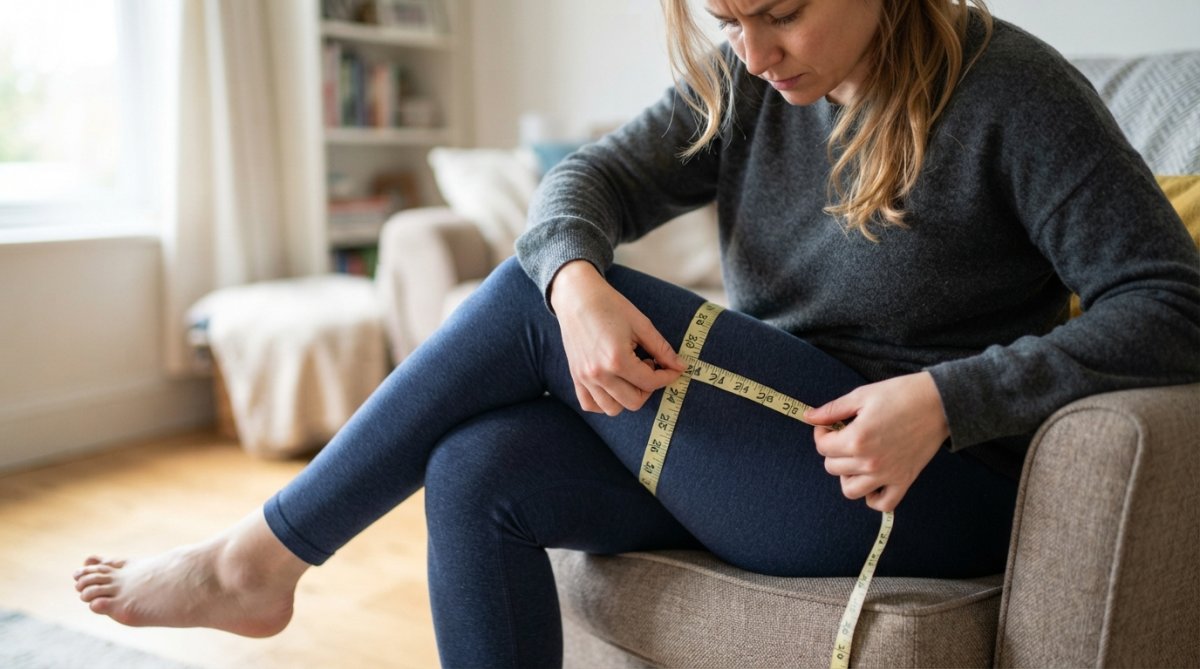
Measure at the fullest part of your thigh, usually 4-6 inches above your knee. Wrap a soft measuring tape snugly around your leg, firm enough to sit flush against your skin, but not tight enough to compress flesh. Then measure your calf at its widest point, typically halfway between knee and ankle. These measurements determine which size will actually stay up.
Bootsy- The Boot Sleeve offers sizes from XS to 5X, with thigh measurements ranging from 14 to 60 inches. This inclusive sizing means you get a snug fit that moves with your leg instead of sliding down. Quality stretch faux leather and vinyl materials have built-in elasticity that keeps them compressed against your skin without restricting circulation. A sleeve one size too large loses that tension and rides up; one too small will be uncomfortable and restrict blood flow.
How to Keep Thigh High Boot Sleeves Up: Proven Methods
Once you have the right size, several proven techniques ensure your boot sleeves stay in place.
Using Kinesiology Tape for Extra Grip
Kinesiology tape is one of the fastest ways to prevent boot sleeves from riding up. This athletic tape adheres to skin while allowing full range of motion, creating friction between your leg and the sleeve's interior.
Apply kinesiology tape to clean, dry skin. Cut a 6-8 inch strip and apply it horizontally across the top inner edge of your sleeve, pressing firmly so it adheres to both skin and sleeve material. The tape stays in place for 3-5 days, even through showers and workouts (peer-reviewed research). It's a non-permanent, inexpensive solution ideal for testing whether boot sleeves work for you.
Sewing Silicone-Backed Elastic for Permanent Hold
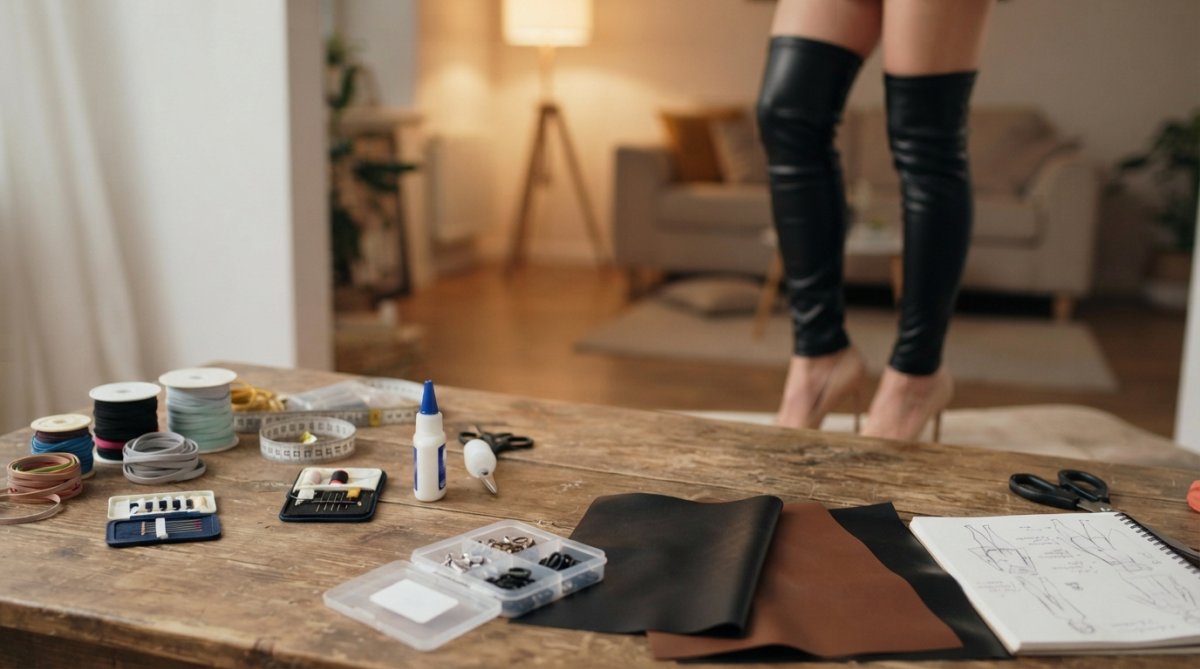
For a permanent solution, sew silicone-backed elastic into the top edge of your boot sleeve. This textured material grips skin without adhesive and lasts for years.
Measure your thigh circumference and purchase silicone-backed elastic slightly shorter than that measurement. Fold the top edge of your sleeve inward and stitch the elastic using a stretch stitch setting, with the silicone side facing inward. Once installed, your sleeve will stay in place without additional products. The downside is that it requires basic sewing skills or a tailor's help.
Fashion and Lingerie Tape Solutions
Fashion and lingerie tape use stronger adhesive formulas than kinesiology tape (peer-reviewed research). Apply along the top inner edge of your boot sleeve, pressing firmly. This method works well for single-day events and holds for 8-12 hours (peer-reviewed research). Remove tape slowly and at a gentle angle to prevent irritation and residue.
Boot Sleeve Fitting Guide: Getting the Right Measurement
A properly fitted sleeve should feel snug but not restrictive. You should slide one finger under the top edge without effort, but the sleeve shouldn't shift when you walk or bend your leg.
When you receive your boot sleeve, try it on over the heel you plan to wear it with and walk around for at least 10 minutes. Does it stay in place? Does it feel comfortable? Does circulation feel normal? These are the real tests. If the sleeve rides up during normal movement, it's the wrong size.
Different leg shapes require different approaches. If you have a larger calf than thigh, use one of the securing methods to anchor the sleeve at the top while the calf remains slightly loose. If you have a smaller calf and larger thigh, a mid-calf boot sleeve might be a better choice than a thigh-high.

Materials That Make a Difference: Fabric and Friction
The material your boot sleeve is made from directly impacts how well it stays in place. High-quality stretch faux leather and vinyl have different friction properties than cheaper synthetic materials.
Stretch faux leather provides a smooth appearance while offering moderate grip. It's breathable, flexible, and comfortable for all-day wear. Vinyl offers a shinier appearance and slightly more grip, plus greater durability and easier cleaning. Cheaper synthetic materials often lack the necessary elasticity and friction, stretching unevenly and losing shape quickly. Premium boot sleeves from Bootsy- The Boot Sleeve are engineered specifically for fit and security, with material composition designed to maximize friction while maintaining comfort and breathability.
Troubleshooting Heel Slippage and Riding Up
If your boot sleeve is riding up despite correct sizing, identify the cause. Is the sleeve slipping down your leg, or is your heel slipping inside the shoe? These are different problems with different solutions.
Heel slippage inside the shoe is a shoe fit issue, not a boot sleeve issue. Address the shoe fit first using heel grips, insoles, or tighter lacing. If the boot sleeve itself is riding up, the issue is almost always sizing. Measure again when your leg is fully relaxed and standing straight. A difference of even half an inch can cause slipping.
Boot sleeves work best with heels that have a defined heel and fitted vamp. Flat shoes don't provide enough anchor point. If you're climbing stairs or doing high-activity movements, any sleeve might shift slightly, this is normal. Use kinesiology tape or fashion tape if you need maximum stability.
Long-Term Durability: What to Expect Over Time
Boot sleeves are designed to last with proper care. The most common wear points are the top edge and heel area, where friction is greatest. Over time, these areas may show slight wear or pilling, especially with regular adhesive tape use.
Hand wash your sleeve in cool water with mild soap after every few wears. Avoid machine washing and high heat. Air dry completely before storing in a cool, dry place away from direct sunlight. If using kinesiology tape regularly, rotate placement slightly each time to avoid wearing through the material in the same spot.
The patent-pending design of Bootsy- The Boot Sleeve is engineered for durability and repeated use. The stretch material maintains elasticity through hundreds of stretch cycles, and seams are reinforced for regular wear.
Boot sleeves absolutely stay up when sized correctly and secured properly. Measure your thigh and calf accurately, choose a sleeve made from quality materials, and use one of the proven methods to anchor your sleeve if needed. Bootsy- The Boot Sleeve's inclusive sizing from 14 to 60 inches means you'll find a size that fits your actual leg measurements. Start with the right size, add a securing method if needed, and you'll have boot sleeves that stay in place all day while transforming your favorite heels into stylish boots.
Frequently Asked Questions
Q: How do you keep boot sleeves from falling down?
A: Boot sleeves stay up when fitted correctly to your thigh and calf measurements. The most effective methods include sewing silicone-backed elastic to the top inner edge for permanent hold, using kinesiology tape for temporary grip against skin, or applying fashion tape before wearing. Proper sizing is critical, sleeves sized to your actual measurements (not shoe size) create the friction needed to prevent sliding. High-quality stretch materials like faux leather also grip better than thin fabrics.
Q: Do boot sleeves work for thick thighs?
A: Yes, stretchy boot sleeves for thick thighs work exceptionally well when sized by thigh circumference rather than shoe size. Bootsy sleeves accommodate thigh measurements from 14 inches to 60 inches, ensuring a secure fit regardless of leg shape. The stretch faux leather and vinyl materials adapt to your proportions, creating the friction and compression needed to stay in place. Standard boots often won't zip or fit comfortably, making sleeves a practical alternative that transforms your existing heels into boots.
Q: What's the best way to measure my legs for a boot sleeve fitting guide?
A: Measure your thigh at its fullest point, usually 3-4 inches below the hip, using a soft measuring tape. Measure your calf at its widest section, typically mid-calf. Wear the clothes you'll wear with the boots when measuring for the most accurate fit. Write both measurements down. Boot sleeves sized by these measurements (not shoe size) ensure proper compression and friction to keep the sleeve from riding up or sliding down during walking and movement.
Q: How long do boot sleeves last with frequent use?
A: High-quality stretch faux leather and vinyl boot sleeves are designed for durability with regular use. Longevity depends on care: hand wash or spot clean to avoid material degradation, avoid excessive stretching beyond your measurements, and store flat or rolled to prevent creasing. Investing in proper fit reduces strain on the material.
This article was written using GrandRanker
0 comments